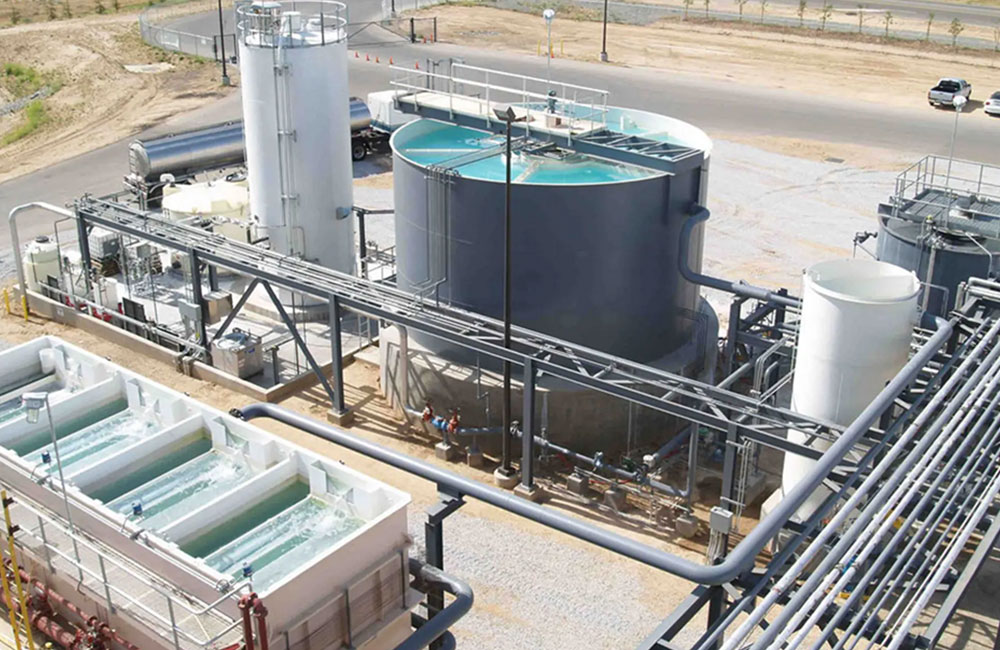
Zero Liquid Discharge (ZLD) is an advanced wastewater treatment process designed to eliminate all liquid waste from an industrial facility. The primary goal of ZLD is to recycle and reuse 100% of wastewater, thereby ensuring no discharge into the environment. This is achieved through a combination of technologies that recover clean water and convert contaminants into solid waste.
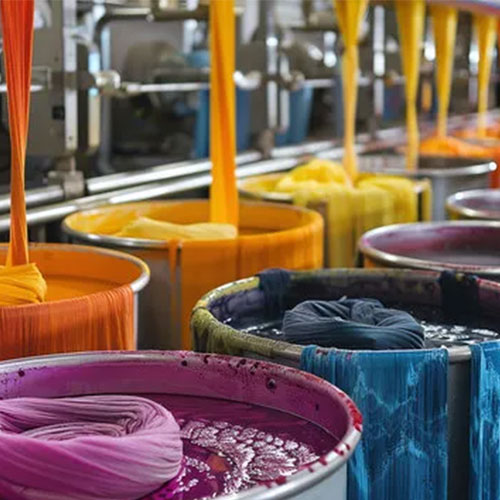
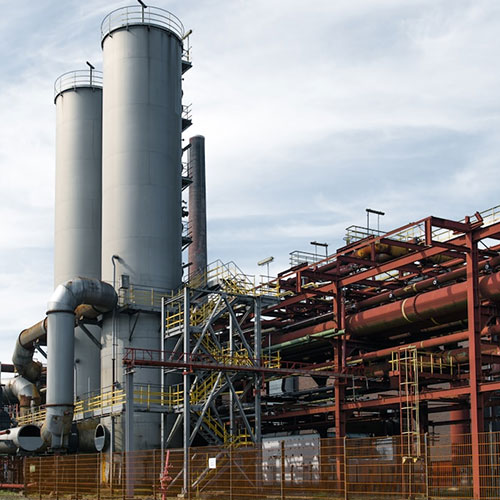
ZLD systems are particularly important in sectors where water scarcity is critical or where strict environmental regulations are enforced such as textile, power, pharmaceutical, chemical, distillery, dyeing and petrochemical industries.
Why is ZLD Essential in Today’s Industrial Landscape?
India, like many parts of the world, is facing growing challenges in water availability and environmental pollution. With increasing regulations by authorities like the Central Pollution Control Board (CPCB) and State Pollution Control Boards (SPCBs), industries are under pressure to manage their water use more responsibly.
ZLD offers multiple benefits:
Environmental Compliance – Meet CPCB norms and avoid legal penalties
Water Sustainability – Reduce dependency on freshwater resources
Corporate Responsibility – Enhance your reputation as an eco-conscious organization
Cost Saving in Long Run – By reducing fresh water usage and recovering valuable by-products
Working Principle of ZLD
The ZLD process involves the systematic treatment of industrial effluents through multiple stages to separate clean water from contaminants. The treated water is then reused in the plant and the residual salts or solids are safely disposed of or recovered as by-products.
1. Pre-Treatment
Removal of suspended solids, oil and grease, and neutralization
Coagulation, flocculation and sedimentation to reduce TSS and COD
3. Biological Treatment (if required)
Activated Sludge Process or MBR to reduce BOD
4. Tertiary Treatment
Advanced filtration such as sand filters and activated carbon filters
5. Reverse Osmosis (RO)
Multi-stage RO to recover 70–90% of water
6. Evaporation & Crystallization
Thermal evaporation to recover additional water
Crystallization to convert remaining waste into solid salt
7. Solid Waste Handling
Sludge drying and disposal as per environmental norms
Zero discharge to water bodies
Recycle up to 95–98% of water for reuse
Reduce freshwater procurement costs
Recovery of valuable salts or chemicals (optional)
Reduce pollution load and protect local ecosystems
Achieve regulatory compliance and boost CSR
Equalization tanks
Flash mixers and flocculators
Lamella or tube settlers
Multi-grade filters and activated carbon filters
Ultrafiltration (UF) unit
Reverse Osmosis (RO) system
Evaporators (MVC or MEE)
Crystallizers and centrifuges
Sludge dewatering systems
Instrumentation and automation panels
All our equipment is designed for energy efficiency, low maintenance and high performance. We provide customized solutions based on inlet characteristics and client needs.
Decades of Industry Experience – Proven expertise across multiple industrial sectors
Customized Solutions – Tailor-made designs to match your process and discharge norms
Cutting-edge Technology – Integration of advanced RO, MEE, and automation systems
Turnkey Solutions – From design and engineering to installation and AMC
Dedicated Support Team – On-time service and expert troubleshooting
Competitive Pricing – High value without compromising on quality
Environmentally Responsible – Designed to reduce your carbon and water footprint
In-house design and engineering team
High-quality fabrication as per ISO and BIS standards
Use of top-tier components and membranes (DOW, Hydranautics, Alfa Laval etc.)
Modular and scalable designs for future expansion
Advanced automation with SCADA and remote monitoring
On-site training for client staff
End-to-end documentation and regulatory compliance support